Healthy-looking lashes start with small, everyday choices: how you take off mascara, how often you replace it, whether you rub your eyes, and how you treat your lashes between salon visits. None of it is complicated, and most of it costs nothing.
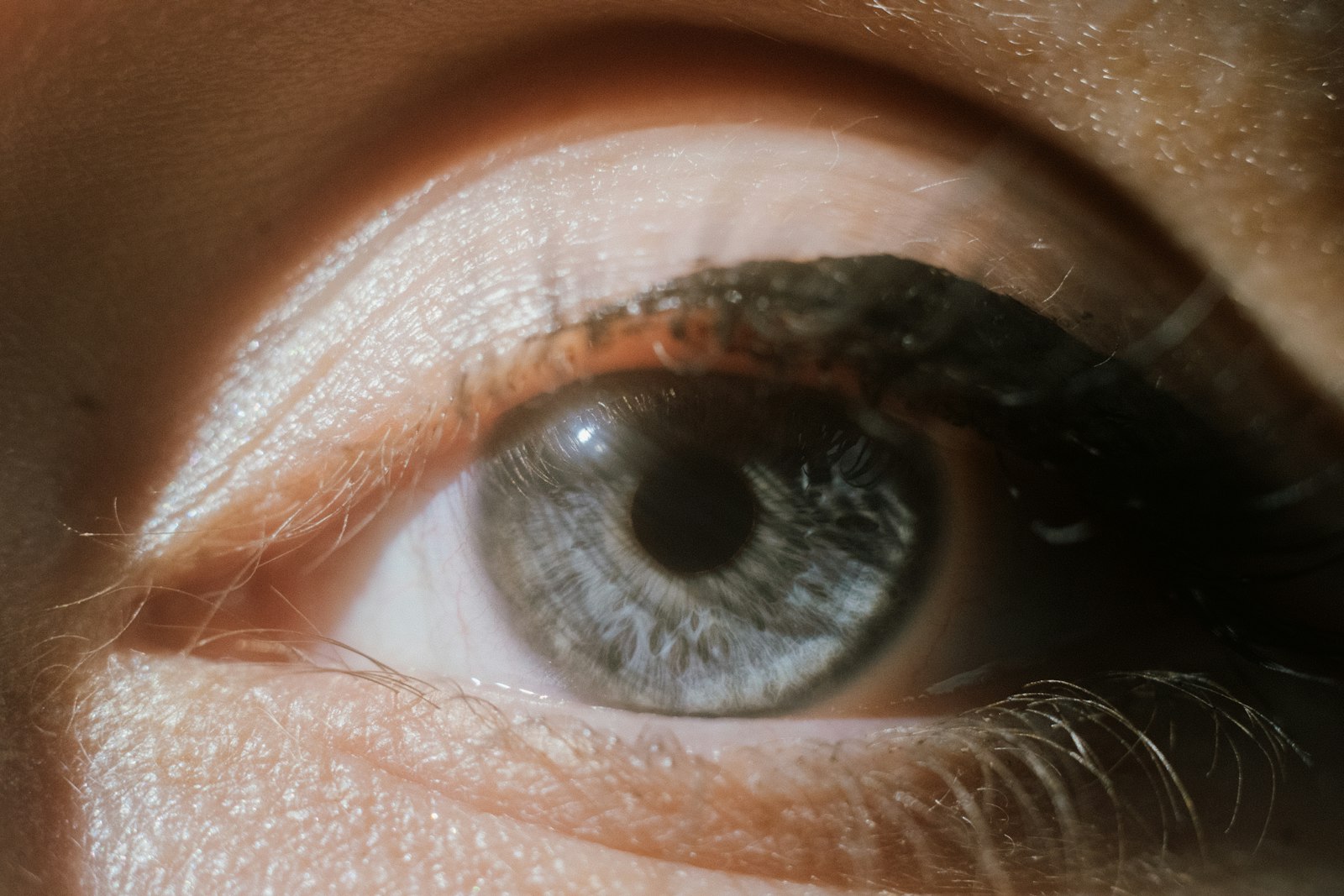
This guide pulls together the habits that matter most, based on advice from eye care experts. If you are also thinking about adding a serum, our guide to prostaglandin-free lash serum explains what to look for on a label so you can choose with confidence.
Key takeaways
- Remove eye makeup every night, gently, and never scrub the lash line.
- Replace mascara and other eye makeup about every three months, and never share it.
- Keep lids clean, especially if they get crusty or itchy, and avoid rubbing your eyes.
- A prostaglandin-free conditioning serum can be an optional add-on to a good routine.
A simple daily lash care routine
Here is a routine that works for most people. Adjust it to your eyes and your schedule.
Morning
- Rinse your face and lids with lukewarm water.
- If you use a lash serum, apply it to clean, dry lids before makeup and let it dry fully.
- Apply mascara in light coats, starting from the base and wiggling outward. Skip the waterline.
- Wash your hands before touching your eyes or inserting contact lenses.
Evening
- Remove all eye makeup, especially mascara, before bed [1].
- Rinse your lids well so no remover is left behind [1].
- If your lids tend to get crusty or oily, add a gentle lid cleanse [3].
- Apply your serum, if you use one, to clean, dry lids.
Gentle makeup removal
Most lash breakage happens during removal. The American Academy of Ophthalmology advises removing all eye makeup at night, using a clean cotton swab along the lash base for stubborn residue, keeping remover out of the eyes, and rinsing the lids well afterward [1].
A gentle method:
- Soak a soft cotton pad with a mild, eye-safe remover.
- Close your eye and hold the pad against your lashes for 10 to 20 seconds to loosen mascara.
- Wipe down and out in one smooth motion. Do not scrub back and forth.
- Use a clean cotton swab along the base for any leftover residue [1].
- Rinse your lids with lukewarm water.
Waterproof formulas usually need an oil-based or two-phase remover. If you wear contact lenses, take them out first. Our article on lash serum with contact lenses covers timing for lens wearers.
Lid hygiene
The lid margin, where the lashes grow, is home to oil glands and natural bacteria. When it gets inflamed, a condition called blepharitis, lids can look red and swollen and lashes can become crusted [4]. Mayo Clinic notes that blepharitis can cause lashes to fall out or lose color [4].
The American Academy of Ophthalmology suggests a simple daily lid scrub when lids are crusty: gently clean the base of the lashes with a washcloth, cotton swab or lint-free pad and a few drops of baby shampoo in warm water, for about 15 seconds [3]. A warm compress beforehand can help loosen crusts. If symptoms do not improve with regular lid washing, see a doctor [4].
Mascara choices and replacement
Mascara sits right at the lash line, so how you choose and store it matters.
- Replace it often. The American Academy of Ophthalmology recommends replacing eye makeup every three months, or sooner if you have an eye infection [2].
- Do not share. Sharing eye makeup can spread germs [2].
- Do not pump the wand. Pumping pushes air into the tube and can dry it out faster.
- Go easy on waterproof. It is useful for special occasions but harder to remove, which means more rubbing.
- Introduce new products one at a time. That way you can tell which one causes a reaction, if any [1].
- Do not rub if mascara gets in your eye. Rinse gently instead [2].
See mascara and makeup habits that break lashes for more small swaps that add up.
By the numbers
- The American Academy of Ophthalmology recommends replacing eye makeup every 3 months [2].
- For lid scrubs, the Academy suggests cleaning the base of the lashes for about 15 seconds [3].
- Losing about 1 to 5 lashes a day is normal, according to Cleveland Clinic [5].
Lash curlers
A curler can give lashes a lift without chemicals. To keep it gentle:
- Curl bare, clean lashes before mascara, not after.
- Use light pressure and hold for a few seconds instead of clamping hard.
- Do not pull the curler outward while it is closed.
- Replace the rubber pad when it becomes hard, cracked or dented.
- Wipe the curler clean regularly.
Extensions and lifts
Extensions and lifts are popular, but they place extra demands on natural lashes. Extensions add weight and are bonded to each lash, and the glue, perming solutions and tints can irritate the lid or cause an allergic reaction, according to Cleveland Clinic [5].
- Choose a licensed, experienced technician who works in a clean space.
- Ask about a patch test if you have sensitive skin or allergies.
- Do not pull or pick at extensions. Let them shed naturally or have them removed professionally.
- Give your lashes regular breaks between sets.
If you are taking a break, read recovering your lashes after extensions. If you love lifts, see lash lift and lash serum: can you do both?
Sleep, rubbing and allergies
Rubbing your eyes is one of the most common, and most overlooked, causes of lost lashes. It tugs on the lash and irritates the lid. A few tips:
- If your eyes itch, treat the cause. Allergies, dry eye and blepharitis are common culprits, and an eye doctor can help.
- Try sleeping on your back, or use a smooth pillowcase, if you tend to sleep face-down.
- Keep your hands clean and away from your eyes when you can.
- If you catch yourself pulling at your lashes and find it hard to stop, talk to a doctor. Our lash resources page lists support organizations.
Lash care for sensitive eyes
If your eyes water, sting or turn red easily, a few extra precautions go a long way:
- Choose fragrance-free removers and cleansers made for the eye area.
- Add only one new eye product at a time, and wait a week or two before adding another, so you can spot what bothers you [1].
- Write down the ingredients of any product that causes a reaction and share them with your doctor [1].
- Avoid glitter and flaky eye makeup, which can shed into the eye.
- If you wear contact lenses, put them in before makeup and take them out before removing it.
Our guide to lash serum for sensitive eyes covers how to choose and patch-test a serum if your eyes react easily.
Overall health and nutrition
Lashes are hair, and hair reflects your general health. Low levels of iron, zinc or biotin may affect lash growth, according to Cleveland Clinic [5]. That does not mean you should start taking supplements on your own. Cleveland Clinic notes that too much of some supplements can be harmful and recommends blood tests first [5].
A balanced diet, good sleep and managing ongoing conditions such as thyroid disease or skin conditions all support healthier-looking hair, lashes included. If you notice lash changes along with tiredness, hair thinning elsewhere, or other new symptoms, mention it to your doctor.
A weekly lash care checklist
Habits stick when they are simple. Once a week, run through this short list:
- Check the date on your mascara and liner. Replace anything older than about three months [2].
- Wash makeup brushes and wipe your lash curler [2].
- Check the curler pad and replace it if it is hard or cracked.
- Look at your lid margins in good light. Note any redness or crusting.
- If you use a serum, wipe the bottle neck clean and make sure the cap closes tightly.
- Take a quick photo of your lashes if you are tracking changes over time.
Oils and home remedies
Many people try castor oil, coconut oil or petroleum jelly on their lashes. These can coat the lash and make it feel softer, but they can also cause irritation or clog the oil glands along the lid if used heavily. Read castor oil for eyelashes for an honest look at the evidence.
Where a conditioning serum fits
A serum is optional. If your habits are already gentle and you want a longer-looking, fuller-looking lash line, a conditioning serum can be one more step. Some tips:
- Choose a clearly labeled prostaglandin-free formula if you want to avoid drug-like ingredients. Our prostaglandin-free lash serum guide explains why that matters.
- Apply a thin line at the base of the lashes on clean, dry skin. See how to apply lash serum the right way.
- Keep the applicator and bottle tip clean. The American Academy of Ophthalmology warns that a contaminated tip can cause a serious eye infection [6].
- Be patient and consistent, and stop if your eyes become irritated.
Our overview of lash serum types and ingredients compares your options side by side.
| Habit | Gentle approach | Habit to avoid |
|---|---|---|
| Makeup removal | Soak, hold, wipe down and out [1] | Scrubbing back and forth |
| Mascara | Replace every 3 months; never share [2] | Using old or shared tubes |
| Lid hygiene | Warm compress and gentle lid scrub when crusty [3] | Ignoring red, crusty lids |
| Curling | Bare lashes, light pressure | Clamping over dried mascara |
| Extensions | Licensed technician, regular breaks [5] | Picking or pulling them off |
| Itchy eyes | Find and treat the cause | Rubbing |
Common lash care myths
“Trimming lashes makes them grow back thicker.”
Lashes do not work like a hedge. Cutting them does not change the follicle, and trimming near the eye with scissors carries a real risk of injury. Leave lash shaping to curlers and mascara.
“Natural products are always safe for the eye area.”
Plant oils and extracts can irritate the eye or trigger allergies just like any other ingredient. “Natural” is a marketing word, not a safety standard. The same goes for lash serums: a “natural” label does not tell you whether a prostaglandin analog is inside.
“If a little is good, more is better.”
Extra remover, extra oil or extra serum just means more product drifting toward the eye. Use the smallest amount that gets the job done.
“Losing lashes every day means something is wrong.”
A few lashes a day is completely normal, roughly 1 to 5 for most people [5]. It is losing them faster than they grow back, or in clumps, that deserves attention.
When to see an eye doctor
Good habits help, but some symptoms need professional care. See an optometrist or ophthalmologist if you notice:
- Lids that stay red, swollen, crusty or itchy even with daily cleaning [4].
- Lashes falling out in clumps or patches, or faster than they grow back [5].
- Lashes growing inward toward the eye.
- Eye pain, discharge, light sensitivity or any change in vision.
- A reaction after a new product, extensions or a lift.
For a deeper look at causes, read our guide to thin or falling eyelashes.
Want to add a prostaglandin-free serum to your routine?
XXtraLash is a prostaglandin-free eyelash serum that conditions lashes for a longer-looking, fuller-looking lash line. Each 3 mL bottle comes with a precision brush for applying right along the lash line.
Frequently asked questions
How often should I replace mascara?
The American Academy of Ophthalmology recommends replacing eye makeup about every three months, or sooner if you develop an eye infection. Throw out mascara right away if it smells odd, has dried out or was used during an infection.
Is it bad to sleep in mascara?
It is best not to. The American Academy of Ophthalmology advises removing all eye makeup at night, especially mascara. Sleeping in it can leave lashes stiff and brittle and lets residue build up along the lid.
What is the gentlest way to remove eye makeup?
Soak a soft pad with a mild remover, hold it against closed lids for several seconds, then wipe downward and outward without scrubbing. Use a clean cotton swab along the lash base for stubborn spots, then rinse well.
Are lash curlers bad for eyelashes?
A clean curler used gently on bare lashes is usually fine. Problems come from clamping too hard, pulling outward, curling over dried mascara, or using a curler with a worn pad. Replace the pad when it gets hard or cracked.
Where does a lash serum fit into a lash care routine?
A conditioning serum is an optional extra step. Apply it to clean, dry lids at the base of the lashes, usually at night after makeup removal and in the morning before makeup, following product directions. Choose a prostaglandin-free formula if you want to avoid drug-like ingredients.
Related reading
- Mascara and Makeup Habits That Break Lashes
- How to Apply Lash Serum the Right Way
- Recovering Your Lashes After Extensions
- Lash Lift and Lash Serum: Can You Do Both?
- Castor Oil for Eyelashes: What the Evidence Says
- Can You Use Lash Serum With Contact Lenses?
Sources
- American Academy of Ophthalmology: Eye Makeup Safety Tips
- American Academy of Ophthalmology: Years of Embedded Mascara Found Under Woman’s Eyelid
- American Academy of Ophthalmology: What Is Blepharitis?
- Mayo Clinic: Blepharitis, Symptoms and causes
- Cleveland Clinic: 5 Reasons Why Your Eyelashes Are Falling Out
- American Academy of Ophthalmology: What You Should Know About Eyelash Growth Serums