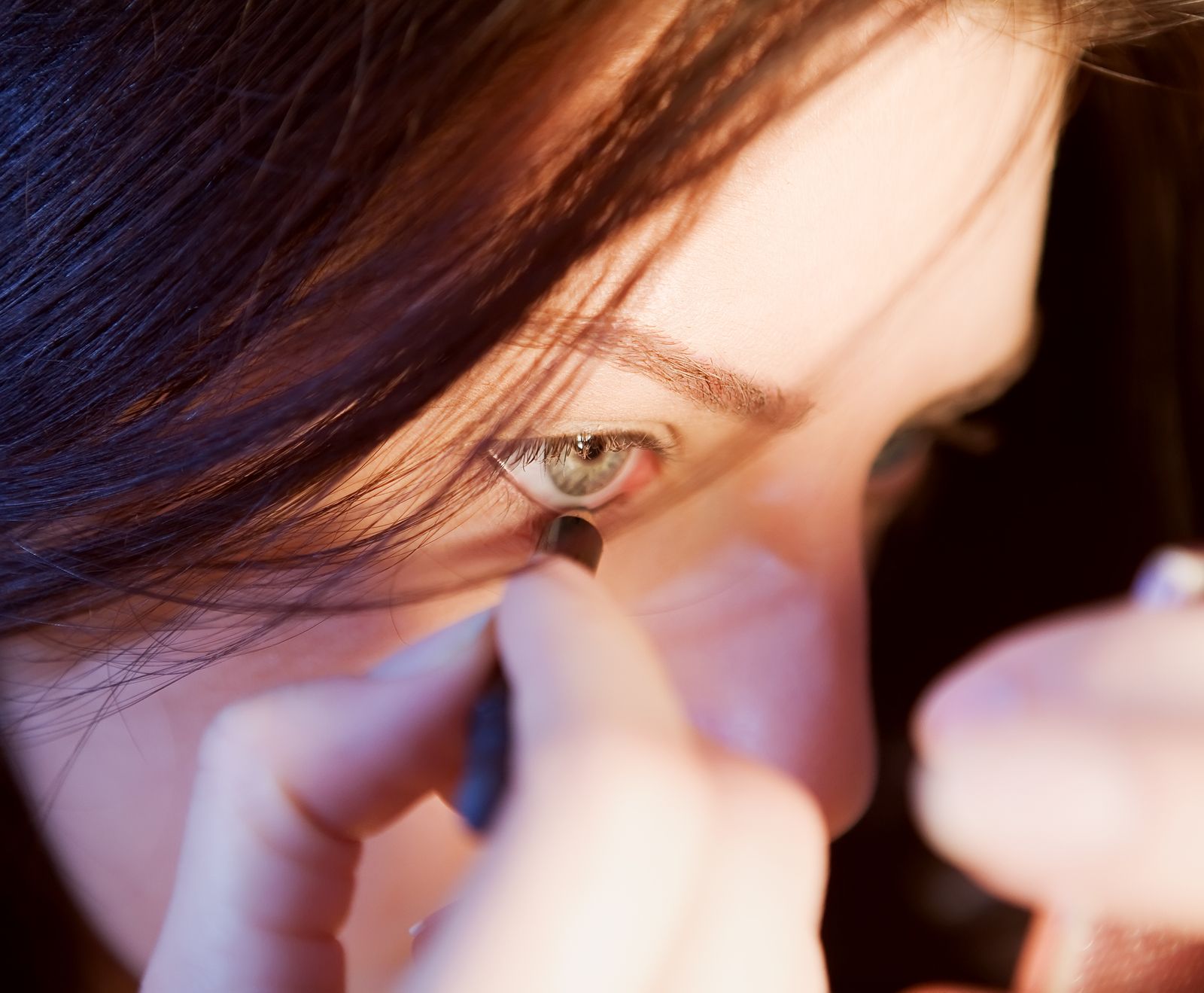
Castor oil is probably the most famous home remedy for eyelashes. It is cheap, easy to find, and recommended all over social media as a way to grow longer lashes. But when you go looking for the science, the evidence for that specific claim is surprisingly thin.
This article takes an honest look at what the research does and does not show, what castor oil might realistically do for your lashes, and how to use it more safely if you decide to try it. For a broader look at lash products, see our pillar guide Lash Serums Explained, and for the ingredient type we focus on, prostaglandin-free lash serum.
Key takeaways
- We could not find any controlled study showing castor oil makes eyelashes grow longer. The popular claim is unproven.
- The closest research is a small 2020 trial of castor oil on the eyelids of people with blepharitis, which measured eyelid comfort and signs, not lash growth [1].
- Castor oil is not a prostaglandin analog, even though its main fatty acid can activate one prostaglandin receptor in the gut [2].
- If you try it, patch test, use a tiny amount on the outside of the lashes, keep it out of your eyes, and stop if irritated [4].
Why castor oil became a lash favorite
Castor oil comes from the seeds of the castor plant. It is thick and glossy, and its main fatty acid is ricinoleic acid. It has a long history in folk remedies and in cosmetics, where it is used to add shine and slip to products like lipsticks.
On lashes, a coat of castor oil makes them look darker and shinier, and many people feel their lashes are softer. Those visible effects, plus word of mouth, are a big part of why it is recommended so often. The question is whether anything more is going on.
What the research actually shows
We searched medical literature for studies on castor oil and eyelashes. Here is an honest summary of what exists.
No controlled trials on lash growth
We could not find a single controlled study that measured eyelash length, thickness or growth in people using castor oil. Claims that castor oil grows lashes come from anecdotes, product marketing and articles that repeat each other, not from research data. That does not prove it does nothing, but it does mean the claim is unproven.
A small blepharitis study
The most relevant study we found is a 2020 randomized trial from New Zealand [1]. Researchers asked 26 people with blepharitis, an inflammation of the eyelid margins, to apply a cold-pressed castor oil product to one eye twice daily for four weeks, using the other eye as a comparison. The treated eyes showed improvement in symptoms and some eyelid signs, including lash crusting, and no adverse events were reported [1].
This is interesting for eyelid comfort, but it is important not to stretch it. The study was small and short, it involved people with an eyelid condition, and it did not measure lash growth or length. The authors themselves called for larger trials with longer follow-up [1].
By the numbers
- In a randomized trial of castor oil for blepharitis (Muntz et al., The Ocular Surface, 2021), 26 participants applied castor oil to one eye twice daily for 4 weeks; eyelash length and growth were not measured [1].
- In the NIH StatPearls reference Anatomy, Head and Neck: Eyelash (Patel et al., updated 2023), the full eyelash cycle lasts 4 to 11 months [3].
The prostaglandin receptor question
You may see claims that castor oil works like a prostaglandin lash drug. Here is where that idea comes from. A 2012 laboratory and animal study published in PNAS found that ricinoleic acid, the main fatty acid in castor oil, activates a prostaglandin receptor called EP3 on smooth muscle in the gut and uterus [2]. That explains castor oil’s well-known laxative effect.
That study did not look at eyelashes or hair at all. Prescription lash drugs like bimatoprost are a different class of molecule, approved based on clinical trials that measured lash results directly [5]. So it is not accurate to call castor oil a natural prostaglandin or to assume it acts like Latisse.
Castor oil vs. lash serums vs. prescription drugs
| Castor oil | Prostaglandin-free cosmetic serum | Prescription bimatoprost (Latisse) | |
|---|---|---|---|
| What it is | A single plant oil | Formulated cosmetic for the lash line | FDA-approved drug for hypotrichosis [5] |
| Evidence for lash growth | None we could find | Not a drug; does not grow lashes | Clinical trials on the FDA label [5] |
| What it does | Coats lashes for a glossy look | Conditions lashes for a longer-looking, fuller-looking line | Increases lash growth while used [5] |
| Main cautions | Blurry vision, irritation, allergy | Keep out of eye; stop if irritated | Eyelid darkening, possible permanent iris darkening [5] |
For a closer look at the prescription option, read Latisse vs. over-the-counter lash serums, and for its side effects, prostaglandin lash serum side effects.
Why it can seem like castor oil is working
Plenty of people feel sure their lashes improved with castor oil, so it is worth explaining how that can happen without a growth effect. First, oil makes lashes look darker and glossier right away, which is easy to mistake for more length. Second, lashes naturally shed and are replaced over a cycle that lasts months, so your lash line can look different from one season to the next on its own [3]. Third, people who start a nightly lash routine often change other habits at the same time, like removing mascara more gently, which helps lashes stay intact.
None of that means your experience is wrong. It just means a before and after photo cannot tell us what caused the change. That is exactly why controlled trials matter, and why we will not tell you castor oil grows lashes until the research shows it.
What castor oil may realistically do
Being honest about the limits does not mean castor oil is useless. As a cosmetic, it can:
- Coat lashes so they look shinier and a little darker while it is on.
- Make lashes feel softer, which some people like before bed.
- Act as a simple, fragrance-free conditioning layer if you choose a pure product.
Those are surface effects, and they fade when the oil is washed off. If your lashes are breaking, the bigger win usually comes from changing habits like rough makeup removal. See mascara and makeup habits that break lashes and our lash care guide.
How to use castor oil more safely near your eyes
If you want to try it, these steps lower the chance of trouble. The FDA reminds people that irritation and allergic reactions around the eyes can be especially troublesome, and to stop any product that causes irritation [4].
- Patch test first. Put a small amount on the inside of your forearm or behind your ear and wait a day or two.
- Choose a pure product. Avoid blends with fragrance or essential oils near the eye.
- Use very little. A clean, disposable spoolie or cotton swab with a tiny amount is plenty.
- Stay on the outside of the lashes. Keep oil off the waterline and out of the eye, where it can blur vision.
- Keep things clean. Wash your hands, never double-dip a used applicator, and do not share [4].
- Remove contact lenses before applying any oil near the eyes. See lash serum with contact lenses for related tips.
- Stop if irritated. Redness, itching, swelling or blurry vision mean it is time to stop.
Who should skip it or ask first
If you have sensitive eyes, eyelid conditions, recent eye surgery, or a history of allergies, talk to an eye doctor before putting oils on your lashes. If your eyes are easily irritated, lash serum for sensitive eyes has more ideas.
When to see an eye doctor
Lashes do important work protecting your eyes [6]. Please see an eye doctor or dermatologist if you notice:
- Red, swollen, crusty or itchy eyelids that do not clear up after you stop a product.
- Eye pain, discharge, or vision changes.
- Sudden lash loss, bald patches, or loss of eyebrow hair too.
Lash loss can have many causes, from skin conditions to medications. Our guide to thin or falling eyelashes explains when it is worth getting checked, and lash resources can help you find the right specialist.
Looking for a formulated, prostaglandin-free option?
XXtraLash is a prostaglandin-free eyelash serum that conditions lashes for a longer-looking, fuller-looking lash line. Each 3 mL bottle comes with a precision brush for applying right along the lash line.
Frequently asked questions
Does castor oil make eyelashes grow?
There is no good scientific evidence that castor oil makes eyelashes grow. We could not find any controlled study that measured eyelash length or growth after using castor oil. The claim is popular, but it has not been proven.
Is castor oil safe to put on eyelashes?
Many people use it without problems, and a small 2020 trial on the eyelids of people with blepharitis reported no adverse events. But any oil near the eye can blur vision, irritate, or cause an allergic reaction. Patch test first, use a tiny amount, keep it out of the eye, and stop if you notice irritation.
Is castor oil a prostaglandin?
No. Castor oil is a plant oil. Its main fatty acid, ricinoleic acid, was shown in a 2012 laboratory and animal study to activate a prostaglandin receptor called EP3 in the gut and uterus. That does not make castor oil a prostaglandin analog like bimatoprost, and the study said nothing about eyelashes.
Can castor oil help eyelashes look better?
As an oil, it can coat lashes and may make them look glossier and feel softer while it is on. That is a cosmetic, temporary effect, not a change in growth.
Should I use castor oil or a lash serum?
They are different things. Castor oil is a single plain oil with very little lash evidence. A cosmetic lash serum is a formulated product designed for the lash line. If you want a proven drug effect on lash growth, that requires a prescription such as Latisse and a conversation with a doctor.
What kind of castor oil should I use near my eyes?
If you choose to try it, use a pure, fresh product from a reputable source, keep it clean, and apply it with a clean, disposable applicator. Do not use castor oil blends with added fragrance or essential oils near your eyes.
Related reading
- Lash Serums Explained: Types, Ingredients and How to Choose
- Is Lash Serum Safe? What to Know Before You Start
- Lash Serum for Sensitive Eyes: How to Choose and Use One
- Latisse vs. Over-the-Counter Lash Serums: What’s the Difference?
- Peptides in Lash Serums: Myristoyl Pentapeptide-17 Explained
- How Long Does Lash Serum Take? The Lash Cycle Explained
Sources
- Muntz A, Sandford E, Claassen M, et al. Randomized trial of topical periocular castor oil treatment for blepharitis. The Ocular Surface, 2021.
- Tunaru S, Althoff TF, Nusing RM, Diener M, Offermanns S. Castor oil induces laxation and uterus contraction via ricinoleic acid activating prostaglandin EP3 receptors. PNAS, 2012.
- Patel BC, Lopez MJ, Joos ZP. Anatomy, Head and Neck: Eyelash. StatPearls, NCBI Bookshelf, updated 2023.
- U.S. FDA. Eye Cosmetic Safety.
- U.S. FDA. LATISSE (bimatoprost ophthalmic solution) 0.03% prescribing information (FDA Label database).
- American Academy of Ophthalmology. Eyelashes.