When your lashes change, it can be hard to know who to call. Is this an eye problem, a skin problem, or something else? This page is here to help you find the right person and get the most out of the visit.
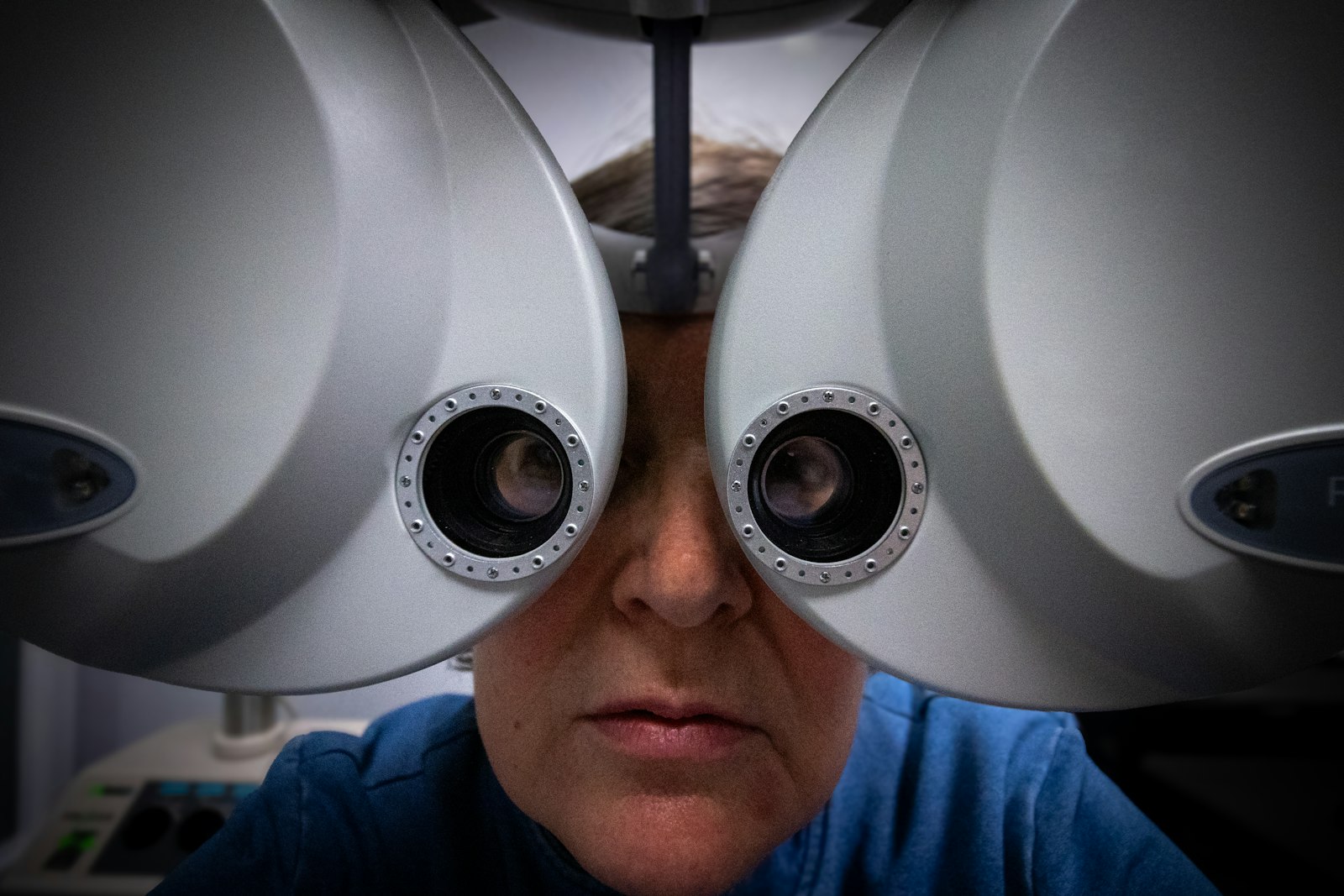
We cover the difference between eye care professionals and dermatologists, trusted directories for finding a doctor, support organizations for specific conditions, and a checklist for your appointment. If you are still working out what might be behind the change, start with our guide to thin or falling eyelashes.
Key takeaways
- An optometrist or ophthalmologist is a good first stop for eyelid redness, crusting, irritation or lash loss along the lid.
- A dermatologist is often the right choice for patchy loss that also affects the brows, scalp or skin.
- Free directories from the American Academy of Ophthalmology and the American Academy of Dermatology can help you find a specialist near you.
- Bring a product list, medication list and photos to your visit, and ask clear questions.
Who to see for lash concerns
Several kinds of professionals can help with eyelashes. Here is how they differ, based on descriptions from the American Academy of Ophthalmology [1].
Optometrist (OD)
Optometrists hold a doctor of optometry degree and provide primary eye care, including eye exams and vision testing. They can detect eye problems and, depending on the state, prescribe medicines for certain eye conditions [1]. For many lid and lash issues, such as blepharitis or irritation from makeup, an optometrist is a convenient first visit.
Ophthalmologist (MD or DO)
Ophthalmologists are medical doctors who specialize in eye and vision care. They can diagnose and treat all eye diseases, perform eye surgery, and prescribe medicines [1]. Some complete extra training in areas like oculoplastics, which focuses on the eyelids and surrounding structures. Consider an ophthalmologist if you have glaucoma, a lump or growth on the lid, lashes growing toward the eye, or a problem that has not improved with first-line care.
Optician
Opticians fit and adjust glasses and contact lenses based on a prescription. They do not diagnose or treat eye conditions [1], so they are not the right choice for lash loss.
Dermatologist
Dermatologists specialize in skin, hair and nails. They diagnose and treat hair loss conditions such as alopecia areata [2], as well as skin conditions around the eyes like eczema, psoriasis and seborrheic dermatitis. A dermatologist is often the best fit when lash loss comes with patchy loss on the brows, scalp or body.
Primary care doctor
Your primary care doctor can check for body-wide causes such as thyroid problems or low iron, review your medicines, and refer you to the right specialist. Cleveland Clinic lists both hypothyroidism and hyperthyroidism among the causes of eyelash and eyebrow loss [3].
| Concern | Good first stop | Why |
|---|---|---|
| Red, crusty or itchy lids | Optometrist or ophthalmologist | Diagnose and treat lid inflammation [1] |
| Lashes growing inward, lid lump | Ophthalmologist | Medical and surgical eye care [1] |
| Patchy loss on lashes, brows or scalp | Dermatologist | Diagnoses hair loss conditions such as alopecia areata [2] |
| Loss with fatigue, weight change | Primary care doctor | Checks thyroid and other body-wide causes [3] |
| Urge to pull lashes | Primary care doctor or mental health professional | Trichotillomania is treatable [4] |
| Loss during cancer treatment | Oncology care team | Guides care during and after treatment [5] |
How to find a specialist
These free tools from professional organizations can help you find a qualified doctor near you:
- Find an Ophthalmologist (American Academy of Ophthalmology): search for an ophthalmologist by ZIP code.
- Find a Dermatologist (American Academy of Dermatology): a public search tool for board-certified dermatologists.
- Your health insurance plan directory, which can show in-network optometrists, ophthalmologists and dermatologists.
- A referral from your primary care doctor, which some insurance plans require for specialist visits.
Tips for choosing
- Check that the doctor is board certified in their specialty. Both directories above focus on credentialed members.
- Look for experience with your concern. Some dermatologists have a special interest in hair loss, and some ophthalmologists focus on eyelids.
- Ask whether the office offers telehealth for follow-up visits. A first exam of the lids and lashes is usually best done in person, but follow-ups can sometimes happen by video.
- Confirm what your insurance covers before the visit, including any referral rules.
When you call, it helps to say why you are booking, for example “eyelash loss and red, itchy lids.” That way the office can schedule the right type of visit.
Support organizations
Some causes of lash loss come with emotional weight. These organizations offer education, community and help finding care:
Alopecia areata
National Alopecia Areata Foundation (NAAF) offers support groups, one-on-one phone support, a youth mentor program, a doctor finder and resources on topics like wigs, makeup and insurance. Alopecia areata can cause patchy hair loss anywhere on the body [2], including the lashes and brows [3].
Trichotillomania and other hair-pulling behaviors
The TLC Foundation for Body-Focused Repetitive Behaviors provides education on hair pulling and skin picking, a directory of treatment providers and a list of peer-led support groups. Mayo Clinic describes trichotillomania as a mental health condition, not just a bad habit, and notes that it is unlikely to improve without treatment [4]. Reaching out is a strong first step.
Hair loss from cancer treatment
The American Cancer Society hair loss resource page covers what to expect and how to cope, and the society offers a 24/7 helpline at 1-800-227-2345. The National Cancer Institute notes that hair often begins to grow back about 2 to 3 months after chemotherapy ends [5]. For lash-specific tips, read eyelashes after chemotherapy.
Situations that call for a specific conversation
Some life stages and health situations make it especially worth talking to a professional before changing your lash routine.
Glaucoma or prescription eye drops
If you use eye-pressure drops, tell your eye doctor about every product you use near your eyes. Some glaucoma drops belong to the same prostaglandin family as certain lash serum ingredients, so your ophthalmologist will want the full picture.
Pregnancy and breastfeeding
Many people choose to simplify their beauty routine during pregnancy and while breastfeeding. Ask your obstetric provider or eye doctor before starting any lash product. Our article on lash serum during pregnancy and breastfeeding covers the questions to raise.
Sensitive eyes or allergies
If you react easily to makeup or skincare, an eye doctor or dermatologist can help you identify triggers. In some cases a dermatologist may suggest patch testing to pin down a specific allergy. See lash serum for sensitive eyes for practical tips.
Changes with age
Lashes often become finer and sparser over time, and that alone is usually not a medical problem. A sudden or uneven change is different and deserves a look. Read thinning eyelashes after 40 to learn what is typical.
After extensions or a lift
If your natural lashes look sparse after removing extensions, most of the time they simply need a break. If your lids are red, swollen or itchy, or you think you reacted to the glue, see an eye doctor. Our guide to recovering your lashes after extensions explains what to expect.
Taking care of your emotional health
Losing lashes or brows can affect how you feel about your face, and that is a real and valid concern. You do not need to wait until it feels overwhelming to talk about it. Support groups, such as those offered by NAAF and the TLC Foundation, connect you with people who understand. A counselor or therapist can also help, especially with hair-pulling behaviors, where therapy is a core part of treatment [4].
If you ever feel hopeless or think about harming yourself, reach out right away. In the United States you can call or text 988 to reach the 988 Suicide and Crisis Lifeline at any time.
Questions to ask your doctor
Write your questions down before the visit so you do not forget them in the moment. Some to consider:
- What do you think is causing my lash loss?
- Do I need any tests, such as blood work for my thyroid or iron?
- Is this likely to be temporary or long-lasting?
- Are any of my medicines or products contributing?
- Should I stop wearing mascara, extensions or lifts for now?
- How should I clean my eyelids, and how often?
- Is it safe for me to use a cosmetic lash serum? Are there ingredients I should avoid, such as prostaglandin analogs?
- When should I come back, and what changes should prompt an earlier visit?
If you are asking about lash serums, it can help to bring the ingredient list. Our guide to spotting prostaglandin analogs on a lash serum label explains what to look for, and our pillar on prostaglandin-free lash serum explains why it matters, especially for people with glaucoma or other eye conditions.
What to bring to your appointment
- A product list. Mascara, liner, removers, cleansers, lash serums, brow products and any salon services, with brand names. Photos of ingredient labels are helpful.
- A medication list. Prescription medicines, over-the-counter medicines, eye drops, vitamins and supplements, with doses.
- Photos. Older photos that show your usual lashes, plus recent close-ups in good light.
- A timeline. When you first noticed the change, whether it is getting worse, and anything that happened around that time, such as illness, stress, a new product or a new medicine.
- Other symptoms. Itching, redness, crusting, eye pain, vision changes, hair loss elsewhere, fatigue or weight changes.
- Your health history. Thyroid, autoimmune or skin conditions, glaucoma, eye surgery, pregnancy or breastfeeding.
- Your contact lenses and glasses. If you wear lenses, ask whether to wear glasses to the visit instead.
Getting ready for the visit
A little preparation makes the exam easier and more accurate:
- Go makeup-free around the eyes if you can, so the doctor can see your lids and lash line clearly.
- Avoid starting any new eye product in the days before the visit.
- Do not stop prescribed medicines on your own, even if you suspect one is causing the change. Ask the doctor first.
- Bring someone along if you would like help remembering what was said.
After the visit, write down what the doctor said, the plan, and when to follow up. If you were given lid-care instructions or a new medicine, note how your eyes respond over the next few weeks so you can report back. Keep taking photos on the same schedule, which makes it much easier to see whether things are improving.
When to get care urgently
Most lash concerns can wait for a regular appointment. Some cannot. Cleveland Clinic advises going to the emergency room if you suddenly lose vision or cannot move your eyes [3]. Also get prompt care for:
- Severe eye pain or a painful, red eye.
- Sudden light sensitivity, or seeing halos.
- A rapidly spreading rash, swelling or blistering around the eye.
- A serious reaction after a salon lash treatment or a new product.
For everyday care between visits, our lash care guide covers gentle removal, lid hygiene and mascara habits. If you want to understand the different products you may be asked about, see lash serums explained. For a quick overview of common causes, read why are my eyelashes falling out.
Frequently asked questions
Should I see an ophthalmologist or an optometrist for eyelash loss?
Either can examine your eyelids and lashes. An optometrist provides primary eye care and can diagnose and manage many lid conditions. An ophthalmologist is a medical doctor who can treat all eye diseases and perform surgery. If your problem is complex, involves a growth on the lid, or does not improve, an ophthalmologist is a good choice.
When should I see a dermatologist instead of an eye doctor?
A dermatologist is often the best fit when lash loss comes with patchy hair loss on the brows, scalp or body, or with skin conditions such as eczema, psoriasis or rosacea. Dermatologists diagnose and treat conditions like alopecia areata.
How do I find a board-certified dermatologist near me?
The American Academy of Dermatology offers a free Find a Dermatologist search tool for the public at find-a-derm.aad.org, where you can search by location.
Where can I get support for eyelash pulling?
Trichotillomania is a treatable mental health condition. The TLC Foundation for Body-Focused Repetitive Behaviors at bfrb.org offers education, a directory of providers and support groups. Your primary care doctor can also refer you to a mental health professional.
What should I bring to an appointment about lash loss?
Bring a list of every product you use near your eyes, all of your medicines and supplements, dated photos of your lashes, a short timeline of when the change started, and a list of questions. This helps the doctor narrow down the cause.
Related reading
- Thin or Falling Eyelashes: Causes, Signs and When to Get Help
- Why Are My Eyelashes Falling Out? Common Causes
- Eyelashes After Chemotherapy: What to Expect and Gentle Care
- Prostaglandin-Free Lash Serum: What It Means and Why It Matters
- Lash Care: Everyday Habits for Healthier-Looking Lashes
- Is Lash Serum Safe? What to Know Before You Start
Sources
- American Academy of Ophthalmology: What Is an Ophthalmologist vs Optometrist?
- American Academy of Dermatology: Hair loss types: Alopecia areata overview
- Cleveland Clinic: Madarosis (Eyebrow and Eyelash Hair Loss): Causes and Treatment
- Mayo Clinic: Trichotillomania (hair-pulling disorder), Symptoms and causes
- National Cancer Institute: Hair Loss (Alopecia) and Cancer Treatment