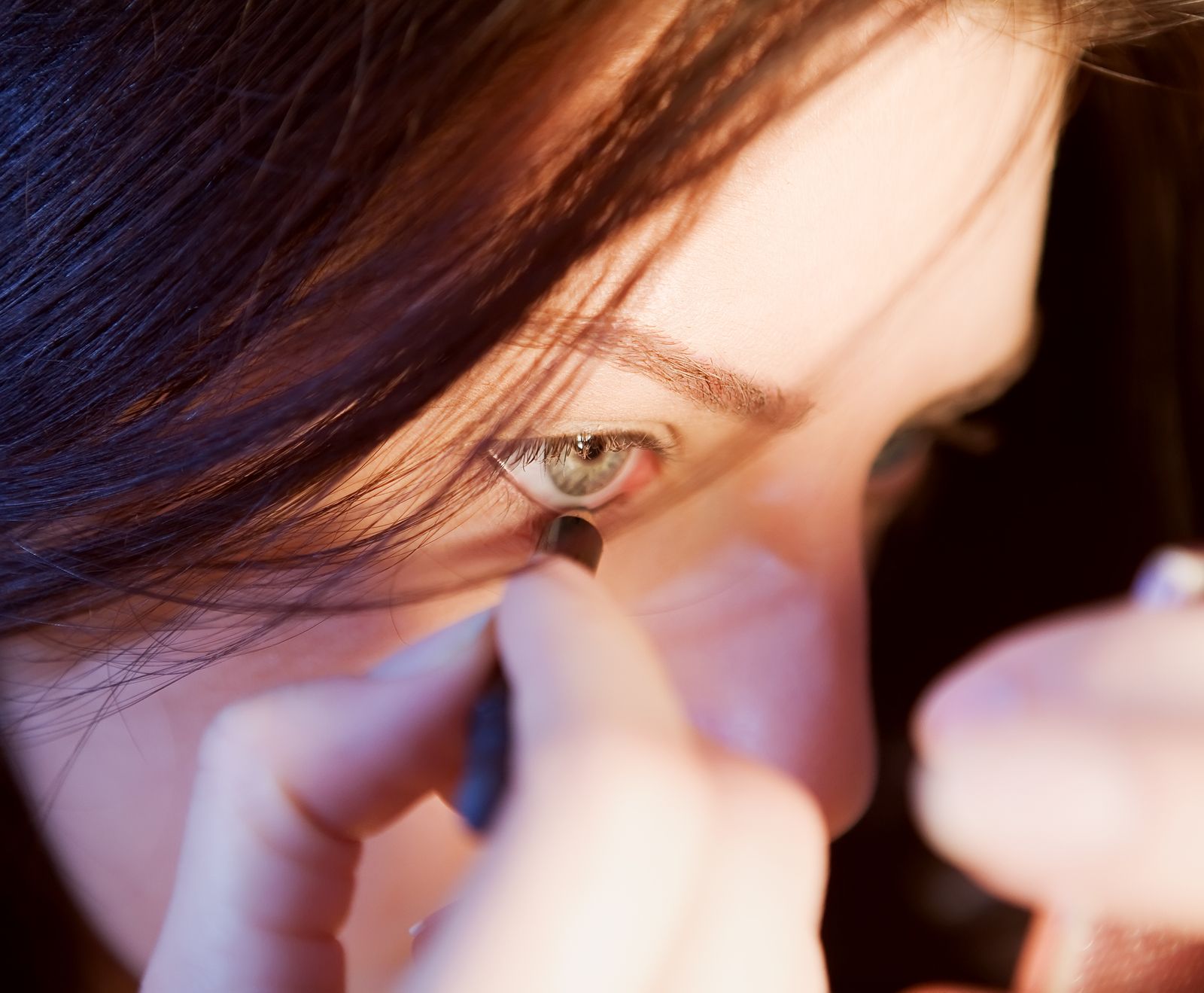
If your eyes water at the first swipe of mascara or your lids turn pink after trying a new eye cream, you have probably wondered whether a lash serum is worth the risk. The good news is that many people with sensitive eyes use lash serums comfortably. The key is choosing the formula carefully and introducing it slowly.
This guide covers why the eye area reacts so easily, which ingredients deserve a closer look, how to patch test, and how to apply a serum with as little irritation as possible. For background on the ingredient type we recommend sensitive-eyed readers start with, see Prostaglandin-Free Lash Serum: What It Means and Why It Matters.
Key takeaways
- Eyelid skin is thin and reacts more easily than skin elsewhere, so a product that is fine on your cheeks may still bother your lids.
- Prostaglandin-free serums avoid the redness, lid darkening and iris color warnings tied to prostaglandin analogs.
- Patch test, start slowly, and apply a thin line at the lash base with clean hands and a clean applicator.
- Stop and see a doctor or eye care professional if redness, swelling, itching, pain or vision changes appear or do not settle.
Why the eye area is so reactive
The skin on your eyelids is some of the thinnest on your body. DermNet notes that “the thin skin of the eyelids is particularly sensitive to irritants and allergens,” and that a trigger that causes a rash on the eyelids may not cause one anywhere else [1]. That is why a product can pass a test on your arm and still sting along your lash line.
Reactions around the eyes usually fall into two groups. Cleveland Clinic explains that eyelid dermatitis can be irritant or allergic, with irritant reactions making up about 80% of contact dermatitis cases [2].
- Irritant reactions happen when something directly irritates the skin: harsh cleansers, rubbing, wind, or too much product. They tend to show up quickly and can affect anyone.
- Allergic reactions happen when your immune system becomes sensitized to a specific ingredient. They can appear a day or two after use, even with a product you have used before. Cosmetics such as mascara, eyeliner and eye shadow are common culprits [2].
Allergens can also reach your lids indirectly. DermNet points out that nail cosmetics, hair dye and nickel can be carried to the eyelids on your fingers [1]. If your lids react, the lash serum is not always the cause.
Start with a prostaglandin-free formula
For sensitive eyes, the first filter is the active ingredient type. Prostaglandin analogs, the drug family that includes prescription bimatoprost (Latisse) and related compounds found in some over-the-counter serums, come with known eye-area effects. The American Academy of Ophthalmology notes that some users develop eye redness, irritation or darkened eyelid skin, and that iris darkening, which has been reported, cannot be reversed [3]. The Latisse label also warns about lid pigmentation and hair growth outside the treatment area when the solution touches other skin [4].
An AAO ophthalmologist answering the question “Are eyelash growth serums safe?” wrote that over-the-counter serums without prostaglandins are likely safe for your eyes, while noting that cosmetics do not go through studies confirming their safety or effectiveness [5]. That is a reasonable way to think about it: prostaglandin-free is a sensible starting point for sensitive eyes, and you still need to watch how your own eyes respond.
Not sure what is in your current serum? Our guide to spotting prostaglandin analogs on a label lists the names to look for, and our side effects guide covers what those effects look like.
Ingredients to check on the label
Once you have ruled out prostaglandins, look at the rest of the list. You cannot know in advance which ingredient you might react to, but these are common allergens or irritants in eye-area products according to DermNet [1]:
- Fragrance and essential oils. Fragrance is a frequent trigger in cosmetics and skin care.
- Preservatives. Every water-based eye product needs one, but some people react to specific preservatives. If a patch test with your dermatologist has identified one, avoid it.
- Adhesives. False lash glue is a known trigger, which matters if you also wear lashes.
- Metals. Nickel in eyelash curlers and tweezers can cause lid reactions.
If you know your allergens from previous patch testing, compare them against the full ingredient list before you buy. If you do not know them and you react to many eye products, a dermatologist can arrange patch testing to pin down the trigger [1][2].
| Feature | Why it helps sensitive eyes |
|---|---|
| Prostaglandin-free | Avoids the redness, lid darkening and iris color warnings tied to prostaglandin analogs |
| Fragrance-free | Removes a common cosmetic allergen |
| Full ingredient list published | Lets you check against known allergies before buying |
| Fine, precise applicator | Places a thin line at the lash base so less product drifts into the eye |
| Simple directions | Easy to follow without over-applying |
How to patch test a lash serum
A patch test cannot rule out every reaction, but it can catch obvious problems before you put a product next to your eyes.
- Apply a small amount to a patch of skin behind your ear or on your inner forearm.
- Leave it alone for at least 24 to 48 hours, since allergic reactions can be delayed.
- If you see redness, itching, bumps or swelling, do not use the product near your eyes.
- If the skin stays calm, try the serum on the lash line of one eye for a few days before using it on both.
Remember that eyelid skin is more reactive than arm skin [1], so a clean patch test is encouraging but not a guarantee.
Gentle application for sensitive eyes
How you apply matters as much as what you apply. A few habits help keep serum where it belongs:
- Start with clean hands and a clean face. Remove makeup with a gentle cleanser and pat dry.
- Use less, not more. One light stroke along the base of the lashes is enough. Extra product tends to migrate into the eye.
- Let it dry. Give the serum a minute or two to dry before you lie down or apply anything else.
- Keep the applicator clean. Do not let the brush touch other surfaces. The AAO warns that contaminating a bottle tip can cause serious eye infection [3].
- Never share. The FDA advises against sharing eye cosmetics with anyone [6].
Our full guide to how to apply lash serum walks through each step. If you wear lenses, read using lash serum with contact lenses first.
Ease in slowly
If your eyes are reactive, consider starting with fewer applications for the first week, then working up to the product’s full directions if everything stays comfortable. Introduce only one new eye product at a time, so if something does react you know what caused it.
It also helps to cut back on other common irritants while you start a serum. Our guides to mascara and makeup habits that break lashes and everyday lash care have practical tips.
Build a calmer routine around your serum
A serum is only one part of what touches your lash line each day. If your eyes are reactive, the rest of your routine deserves the same scrutiny:
- Use a gentle remover. DermNet suggests washing with plain water or a cream cleanser designed for sensitive skin, and touching the lids only with clean hands [1].
- Do not rub. Rubbing is a physical irritant on its own [2], and it can also break lashes.
- Replace old eye makeup. Old mascara and liner are easy to forget, and they share the same small space as your serum.
- Protect your eyes outdoors. Wraparound glasses in cold, wind or dust can help reduce irritation and rubbing [1].
Mild tingling vs. a real reaction
Some people notice a brief, mild tingle when a product first goes on. That alone is not necessarily a problem if it fades within a minute and leaves no redness. These signs, on the other hand, mean you should stop:
- Redness, swelling or scaling of the eyelids
- Itching or burning that lasts
- Watery, gritty or bloodshot eyes after application
- Small bumps or a rash along the lash line
The FDA’s advice is simple: “If any eye cosmetic causes irritation, stop using it immediately. If irritation persists, see a doctor” [6]. Cleveland Clinic also recommends avoiding eye makeup while you have eyelid dermatitis [2].
When to see an eye doctor
See a doctor or eye care professional if:
- Irritation does not settle within a day or two of stopping a product.
- Your eyelids swell, blister or crust. Cleveland Clinic advises going to the emergency department if swelling keeps you from seeing [2].
- You have eye pain, light sensitivity, discharge or changes in vision.
- You have glaucoma, uveitis, a recent eye surgery or another eye condition and are thinking about any lash serum. The AAO recommends asking an ophthalmologist first in these situations [3].
- Your lashes are falling out along with lid symptoms. Our pillar on thin or falling eyelashes covers possible causes.
If you need help finding the right specialist, see our lash resources page.
A prostaglandin-free option for sensitive eyes
XXtraLash is a prostaglandin-free eyelash serum that conditions lashes for a longer-looking, fuller-looking lash line. Each 3 mL bottle comes with a slim precision brush for applying a thin line right along the lash base. Check the full ingredient list against any known allergies before you start.
Frequently asked questions
Can I use lash serum if I have sensitive eyes?
Many people with sensitive eyes use lash serums comfortably. Choose a prostaglandin-free formula, check the ingredient list for known allergens, patch test first, and stop if your eyes or lids react.
Why does my lash serum make my eyes red?
Redness can come from irritation (too much product, product getting into the eye) or an allergy to an ingredient. Prostaglandin analogs are also known to cause redness. Stop using the serum and see a doctor if it does not settle.
Is a prostaglandin-free lash serum better for sensitive eyes?
It avoids the redness, eyelid darkening and iris color warnings tied to prostaglandin analogs. Any cosmetic can still cause irritation or allergy, so introduce it carefully.
How do I patch test a lash serum?
Apply a small amount behind your ear or on your inner arm and watch it for 24 to 48 hours. If there is no reaction, try it on one eye’s lash line for a few days before using it on both.
Should I keep using lash serum if my eyelids are itchy?
No. Stop the serum and other eye makeup. If the itching, redness or swelling persists, see a doctor, dermatologist or eye care professional.
Related reading
- Prostaglandin-Free Lash Serum: What It Means and Why It Matters
- Is Lash Serum Safe? What to Know Before You Start
- Can You Use Lash Serum With Contact Lenses?
- Peptides in Lash Serums: Myristoyl Pentapeptide-17 Explained
- How to Apply Lash Serum the Right Way
Sources
- Eyelid contact dermatitis. DermNet.
- Eyelid Dermatitis: Causes, Symptoms and Care. Cleveland Clinic.
- What You Should Know About Eyelash Growth Serums. American Academy of Ophthalmology, 2019.
- LATISSE (bimatoprost ophthalmic solution) 0.03% prescribing information. U.S. Food and Drug Administration.
- Are eyelash growth serums safe? American Academy of Ophthalmology, Ask an Ophthalmologist, 2020.
- Eye Cosmetic Safety. U.S. Food and Drug Administration.