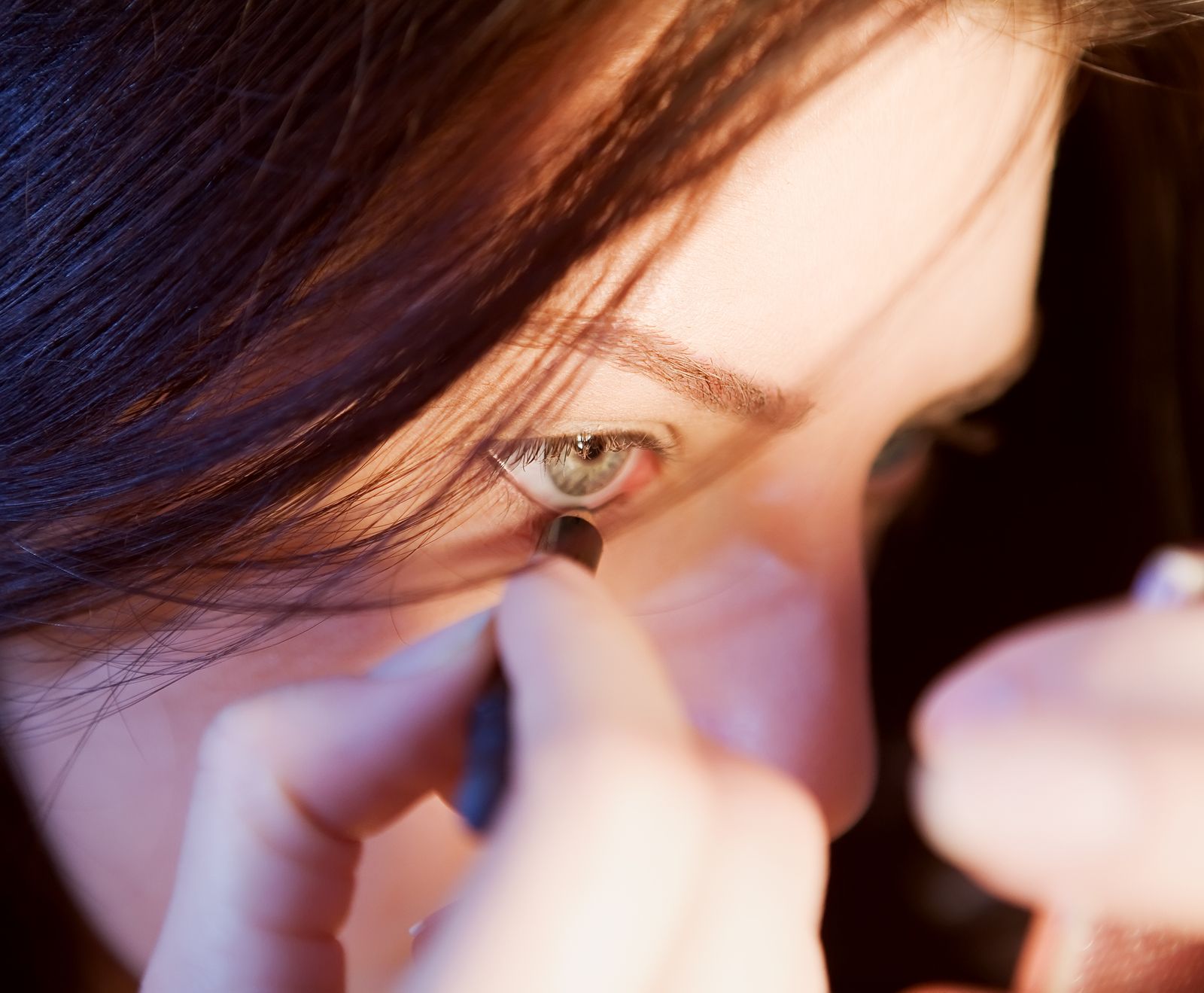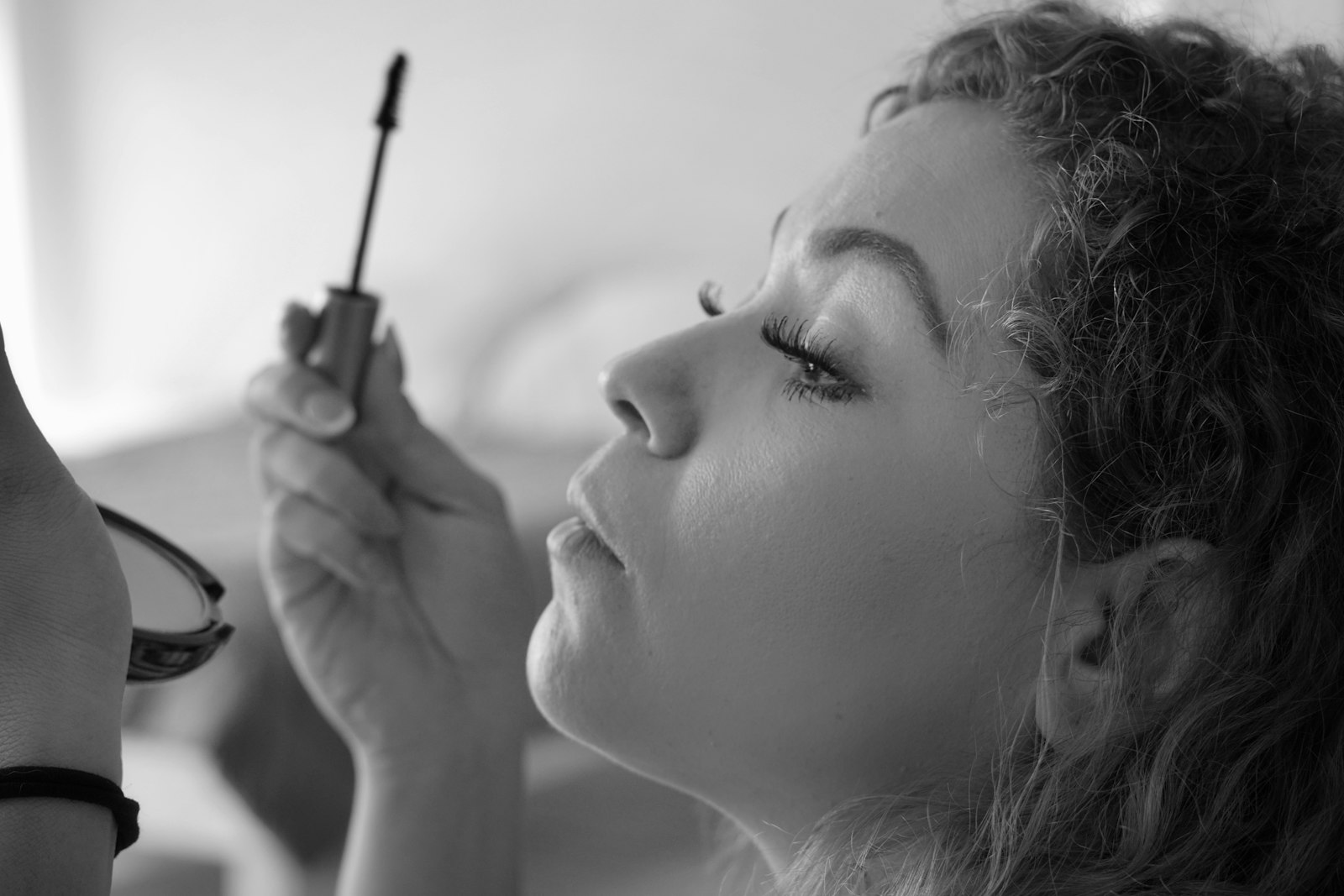
Mascara is one of the easiest ways to make lashes look longer and darker, and for most people it is perfectly safe. But a few everyday habits, from sleeping in makeup to scrubbing off waterproof formulas, can leave lashes brittle, broken or falling out faster than they should.
The good news is that these habits are easy to change. This guide covers the mascara and makeup routines that are hardest on lashes, the expert-backed swaps that help, and the signs that it is time to see an eye doctor. For more everyday care ideas, see our lash care guide.
Key takeaways
- Leaving eye makeup on too long, using eyelash curlers and wearing extensions can all damage lashes and speed up shedding [1].
- The FDA advises replacing mascara about three months after purchase, never adding water or saliva to revive it, and never sharing eye cosmetics [2].
- Gentle removal matters: use a fragrance-free remover or micellar water and avoid rubbing [3].
- Stop any eye product that irritates you, and see a doctor if irritation does not go away [2].
Why makeup habits affect your lashes
Lashes are fine hairs that sit right at the edge of the eyelid, next to the oil glands that keep your eyes comfortable. Anything that tugs, coats, dries out or irritates that area can affect them. The American Academy of Ophthalmology (AAO) lists irritation from cosmetics, including eye makeup left on too long, lash extensions and eyelash curlers, among the common causes of lash loss [1]. Allergies to mascara are another cause [1].
Lashes also replace themselves slowly. EyeWiki notes that a lash can take about 8 to 10 weeks to grow [4]. So when habits break or pull out lashes faster than they are replaced, the lash line can start to look thin.
Signs your routine is stressing your lashes
- Short, broken lashes mixed in with longer ones, especially in the outer corners.
- Lashes that feel stiff or brittle after mascara comes off.
- More lashes than usual on your remover pad or pillow.
- Lids that look red, flaky or puffy after makeup.
- Gaps where you usually press or pull when removing makeup.
None of these alone is a reason to worry, but together they suggest it is time to slow down and be gentler.
Habits that break or weaken lashes
1. Sleeping in mascara
Leaving eye makeup on overnight is one of the habits the AAO specifically flags [1]. Mascara left on for hours can make lashes stiff and more likely to snap when you rub your eyes or press your face into a pillow. Residue at the lash line can also add to irritation.
Try instead: Make removal part of your nightly routine, even when you are tired. Keep a remover and soft pads by the bed if that helps.
2. Scrubbing to get makeup off
Rubbing back and forth with a cotton pad, especially to remove waterproof mascara, puts a lot of friction on lashes. Cleveland Clinic recommends removing eye makeup gently, without rubbing your lashes, using a fragrance-free eye makeup remover or micellar water [3].
Try instead: Soak a pad, hold it on your closed eye for several seconds to loosen the mascara, then wipe gently down and outward.
3. Wearing waterproof mascara every day
Waterproof formulas are designed to resist water, which is why they take more effort to remove. More effort usually means more rubbing. Save waterproof mascara for days you really need it, and choose a washable or tubing formula the rest of the time.
4. Using a lash curler too often or too hard
Both heated and non-heated eyelash curlers can damage lashes and increase shedding [1]. Cleveland Clinic suggests limiting curlers and avoiding heated ones [3]. Curling after mascara, or clamping and pulling at the same time, is especially likely to break lashes.
Try instead: If you curl, do it before mascara, on clean dry lashes, with a light hold and no tugging. Replace worn curler pads.
5. Keeping mascara too long
Mascara wands go back and forth between your eye and the tube, which can carry bacteria into the product. The FDA advises replacing mascara about three months after purchase and throwing out mascara that has dried up [2]. Old products can harbor bacteria, and an eye infection is hard on lashes and lids alike.
6. Adding water or saliva to dried mascara
It might seem like a quick fix, but the FDA warns never to add saliva or water to revive mascara, because doing so introduces bacteria and dilutes the preservative [2].
7. Sharing eye makeup
Borrowing a friend’s mascara or testing a store sample on your lashes exposes you to someone else’s bacteria. The FDA says not to share eye cosmetics [2].
8. Applying makeup in a moving car
A bump in the road can lead to a scratched eye. The FDA advises never applying or removing eye makeup in a moving vehicle [2].
9. Ignoring irritation
If a mascara, liner or remover makes your eyes sting, itch or turn red, the FDA says to stop using it, and to see a doctor if the irritation continues [2]. Contact allergies around the eyes can contribute to lash loss [1].
10. Lash glue and extensions without breaks
Strip lashes, clusters and extensions all involve adhesive near the lash line. Allergy to the glue used for extensions is a known cause of lash loss [1]. Cleveland Clinic recommends a patch test first and a break of a few months between treatments [3]. If you have recently had a set removed, see recovering your lashes after extensions.
Risky habits and safer swaps at a glance
| Habit | Why it is hard on lashes | Safer swap |
|---|---|---|
| Sleeping in mascara | Stiff, brittle lashes; residue at the lash line [1] | Remove every night |
| Scrubbing waterproof mascara | Friction pulls and breaks lashes [3] | Soak, hold, then wipe gently |
| Heated or frequent curling | Can damage lashes and increase shedding [1][3] | Curl rarely, lightly, before mascara |
| Old or dried-out mascara | Bacteria; weakened preservative [2] | Replace about every 3 months [2] |
| Sharing eye makeup | Exposure to someone else’s bacteria [2] | Use your own products only |
| Using an irritating product | Allergy or irritation can lead to lash loss [1][2] | Stop using it; see a doctor if it continues |
Other eye products to use carefully
Lash tints and dyes deserve a special mention. The FDA advises avoiding color additives that are not approved for use around the eye, such as permanent eyelash tints and kohl [2]. In a 2019 review of eyelid cosmetic procedures, allergic contact dermatitis was the most common adverse effect reported with eyelash dyeing, seen in 60% of subjects [5].
The FDA also recommends using products only in the area they were designed for, for example not using lip liner as eyeliner, and storing cosmetics away from heat, such as a hot car, which can break down preservatives [2].
If you use a lash serum, apply it to clean lids before makeup, or at night after removal, so it is not trapped under or mixed into mascara. Our guide on how to apply lash serum walks through timing. If you wear contacts, see lash serum with contact lenses.
A lash-friendly makeup routine
- Wash your hands before touching your eyes [2].
- Apply any lash serum to clean, dry lids and let it dry.
- Curl only if you want to, gently, before mascara.
- Use one or two coats of an easy-to-remove mascara.
- At night, soak, hold and wipe gently with a fragrance-free remover [3].
- Wash your face and eyelids with a gentle cleanser [1].
- Note the date you opened your mascara and replace it on time [2].
If your lashes feel brittle or look sparse even with gentle habits, consider a conditioning step. Many people prefer a prostaglandin-free lash serum to avoid prostaglandin analogs and side effects such as darkened eyelid skin; our guide on spotting prostaglandins on a label explains what to look for.
Looking for a prostaglandin-free lash serum?
XXtraLash is a prostaglandin-free eyelash serum that conditions lashes for a longer-looking, fuller-looking lash line, and it fits easily into a gentle makeup routine. Each 3 mL bottle comes with a precision brush for applying right along the lash line.
When to see an eye doctor
Changing your habits usually helps within a few lash cycles. See an eye doctor if [1][2]:
- Irritation, redness, itching or swelling continues after you stop a product.
- You have signs of an eye infection, such as discharge, crusting or pain. Avoid eye makeup until it clears and throw away the products you were using when it started [2].
- Lashes are falling out in clumps or leaving gaps.
- Lash loss affects both lids, or you are also losing eyebrow or scalp hair.
- You notice a bump, sore or skin change on the eyelid, or your vision changes.
For other possible causes, read why are my eyelashes falling out, and visit our lash resources page for help finding an eye doctor.
Frequently asked questions
Does wearing mascara every day damage your lashes?
Daily mascara is generally fine for most people. The bigger risks are sleeping in it, scrubbing it off, using old or shared products and reacting to an ingredient. Gentle removal every night makes a big difference.
How often should I replace my mascara?
The FDA recommends replacing mascara about three months after purchase, and throwing it out sooner if it dries up. Never add water or saliva to revive it.
Is waterproof mascara bad for eyelashes?
It is not harmful in itself, but it is harder to remove, which can lead to rubbing and broken lashes. Use it occasionally and remove it with a dedicated remover held on the lashes before wiping.
Do eyelash curlers make lashes fall out?
They can. The American Academy of Ophthalmology says both heated and non-heated curlers can damage lashes and increase shedding. If you curl, do it gently on clean lashes before mascara.
What should I do if my mascara irritates my eyes?
Stop using it. If the irritation continues, see a doctor. If you get an eye infection, avoid eye makeup until it clears and throw away the products you were using when it started.
Can I wear mascara with a lash serum?
Yes. Apply the serum to clean, dry lids first and let it dry before mascara, or apply it at night after removing makeup.
Related reading
- Lash Care: Everyday Habits for Healthier-Looking Lashes
- Why Are My Eyelashes Falling Out? Common Causes
- Recovering Your Lashes After Extensions
- How to Apply Lash Serum the Right Way
- Can You Use Lash Serum With Contact Lenses?
- Thinning Eyelashes After 40: What Changes and What Helps
Sources
- American Academy of Ophthalmology. Why Are My Eyelashes Falling Out?
- U.S. Food and Drug Administration. Cosmetics Safety Q&A: Eye Cosmetic Safety
- Cleveland Clinic Health Essentials. Why Are My Eyelashes Falling Out?
- EyeWiki, American Academy of Ophthalmology. Madarosis
- Masud M, Moshirfar M, Shah TJ, et al. Eyelid Cosmetic Enhancements and Their Associated Ocular Adverse Effects. Med Hypothesis Discov Innov Ophthalmol. 2019;8(2):96-103